Olau

Genres
- Deep House
- Funky House
- House
- Techno House
- Jackin House
- garage house
BPM
120–140
Full bio
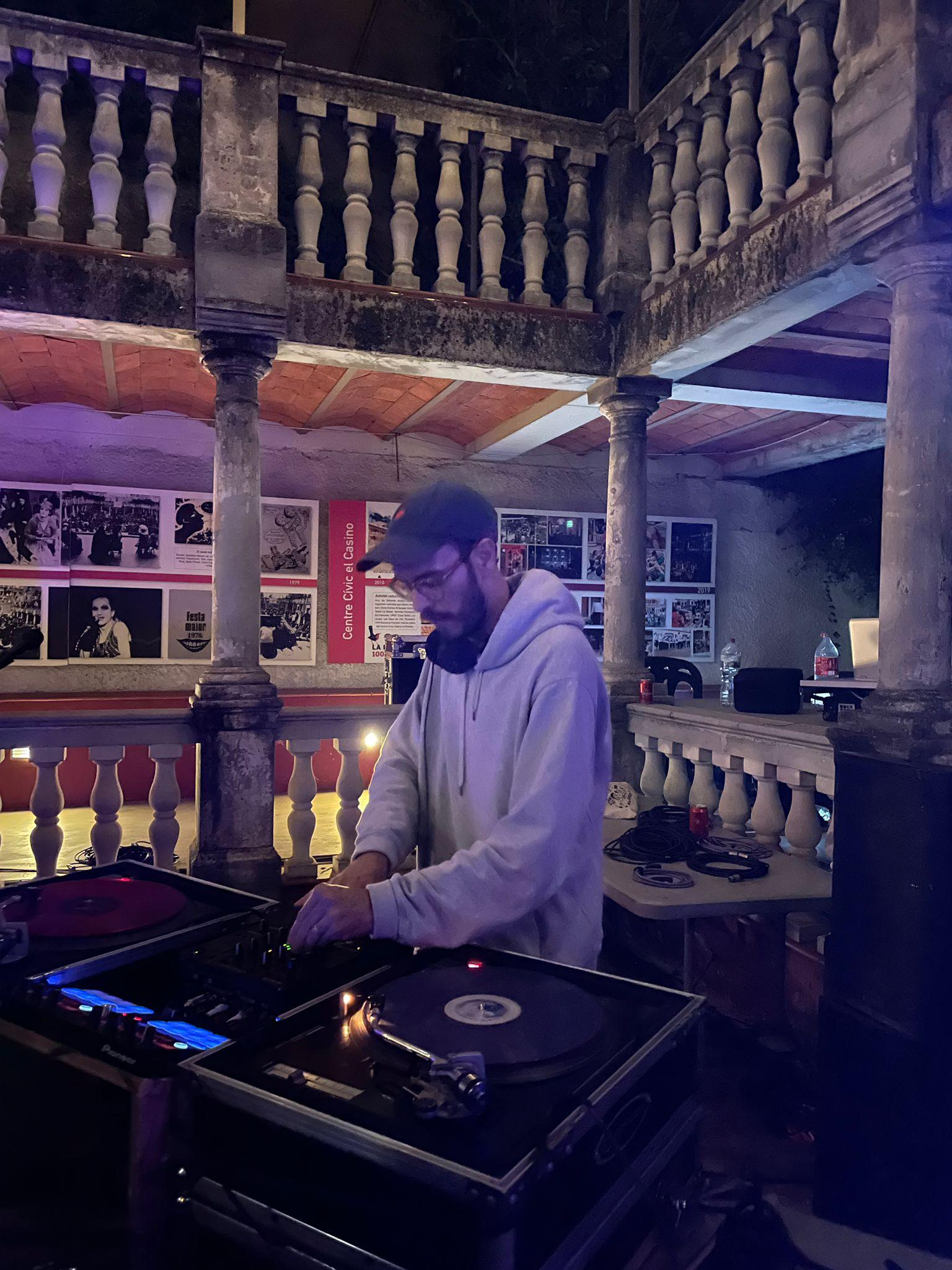
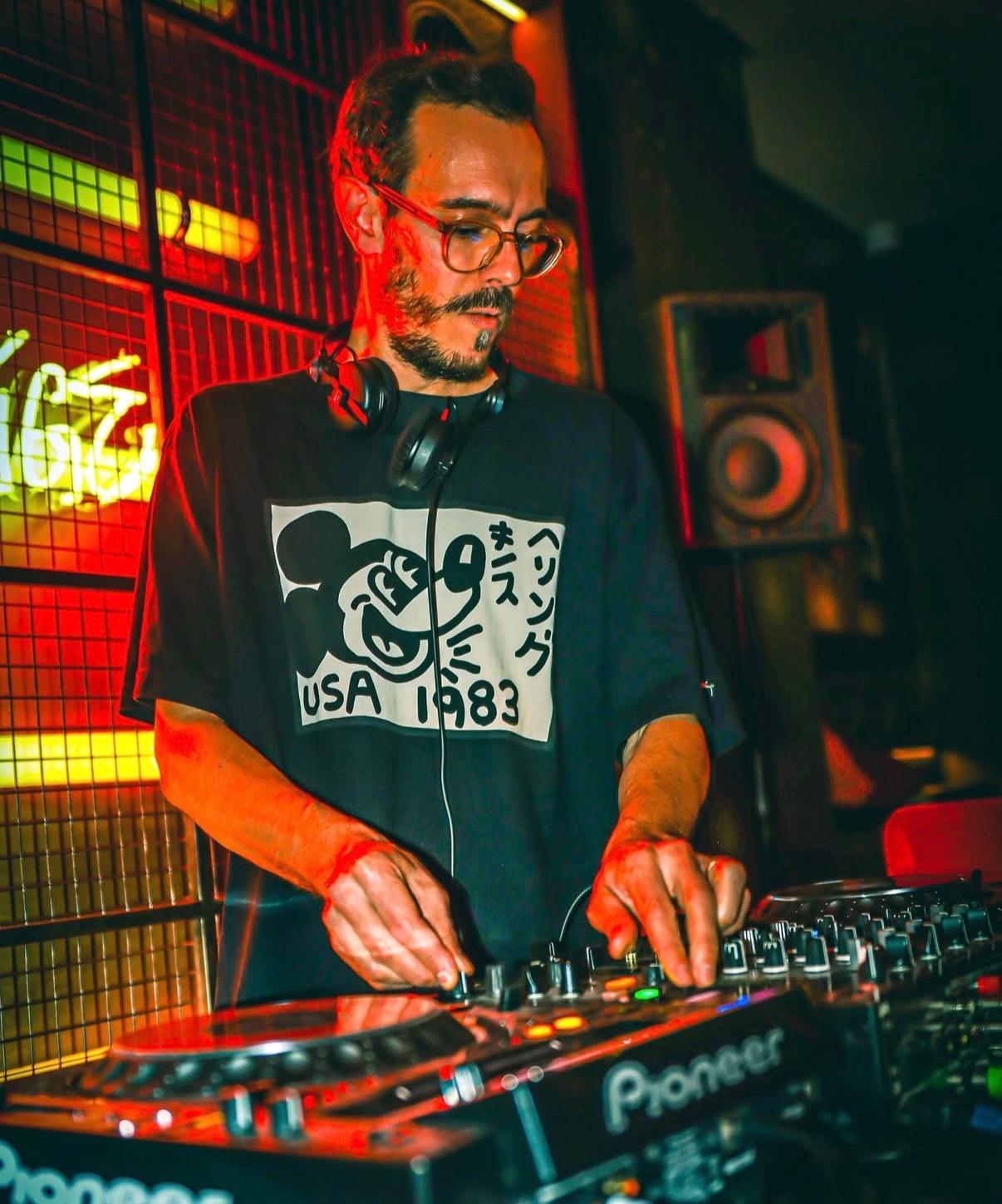
Olau first took to the decks in 2000 with a humble setup: two strap-on cymbals, a basic mixer and four house vinyls – a casual gift that would mark the beginning of a lasting passion. He soon discovered techno, a genre that became his compass during the first years of training. Their first mixes, recorded on CD, began to circulate on the players of the Vallès, gradually building a reputation in the rave environments of the metropolitan area of Barcelona.
At the same time, Olau was part of a rap group that, before closing its cycle in 2011, had the opportunity to perform in iconic venues such as Sala Apolo or Faktoria D'Arts. After that experience, he adopted the alias DJ Olshow and became the official DJ of the artists KDo and FF, expanding his versatility and adapting to different musical environments.
With electronic music as a beacon, he entered a new stage in which he combined a residency in a club in Vallès with performances in venues in Barcelona and the incipient Catalan rave scene. Years later, he expanded his sound spectrum: he participated in yoga festivals, explored styles such as breakbeat, broken beat and other less traveled currents, demonstrating a musical curiosity of great spectre.
After a hiatus of almost eight years, he returned to the sets in 2022 with renewed energy and a more refined vision. Their musical selection, now more refined, revolves around house in its many aspects: jackin', disco, deep and even nods to New York garage. In his most intense sets he does not hesitate to incorporate touches of tech house and touches of techno, always with an organic, coherent and deeply narrative approach.
In 2025, Olau takes a collective step by founding – together with DJ Ganjal, Hèctor Hope and Guatatiboa – the PhonoDisco Club project, an initiative where disco house is the main axis, but where funk, soul and techno house with more groove also fit. All these elements merge into a vibrant, warm and deeply danceable proposal. PhonoDisco Club is not just a collective: it is a sound manifesto in defense of groove, joy on the dance floor and music as a shared ritual. Today, Olau represents that rare conjunction between underground roots and stylistic openness, with an eye always on dance, collective emotion and constant evolution.
Events


Past Events
Pictures